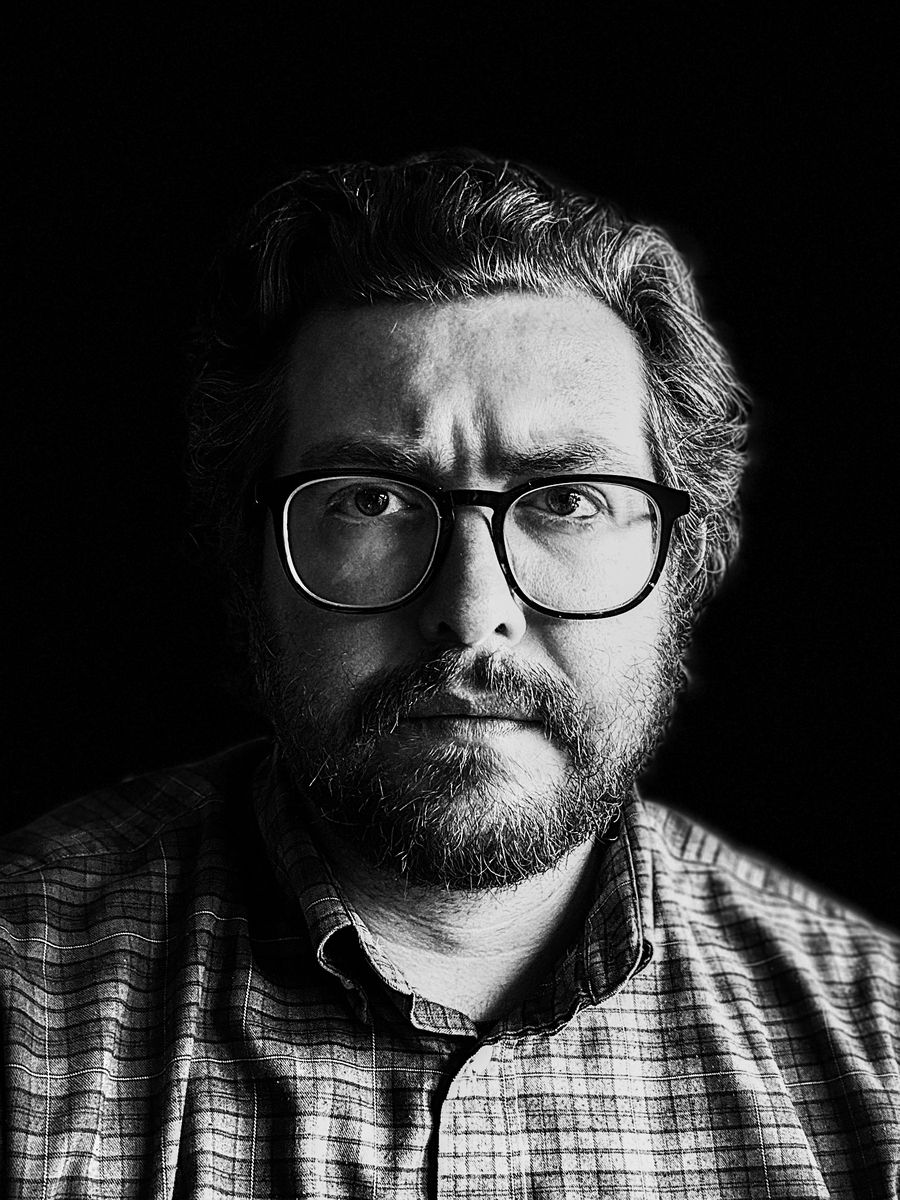

…that which is featured:
Lowkey Hellish
an essay by Lance Marwood
“How the cult of infinite possibility turned my ADHD into a feature, then a weapon. On productivity culture, complexity, and survival in the maze.”
I lived with rats once, in a semi-detached on Dupont in Toronto, we called the Brohaus. After the City strike in '09, we renamed it the Rat Spa. They skittered in the walls at night, sharp little movements clawing away at sleep that was already threadbare. The only solution that felt available back then was to drink myself into a stupor. In those few years, I must've disposed of half a dozen dead rats myself.
I stayed longer than I should've.
I left when I found rat shit in drawers.
I credit those years with teaching me how low I could live before I would go and do something about it. So when I compare us to rats, I'm not doing it as an edgy simile or some schtick. I'm drawing on what I've observed. What I've lived with.
I didn't know it then, but I was learning something about survival in systems that don't care whether you thrive or merely endure. About staying in traps long past the point when you know they're killing you.
I thought leaving the Brohaus meant leaving the trap.
Instead, I fell into a new one.
You can have it all.
That's the lie you've heard your whole life: from apps that promise to save time you don't have; from managers who mistake exhaustion for ambition; from podcasts selling you someone else's blueprint; from friends who mean well but don't see what it costs you.
The pitch is always the same: plan better, track better, optimize harder, and you won't need to choose. You can be everything to everyone, including yourself.
Fit and well-read. Calm and productive. Specialist and generalist. Present parent and ambitious creator.
There's always a method for that. A course. A template. A newsletter.
You can't.
Historically, this trap is new.
For most of human existence, scarcity was our birthright. That changed when agriculture took root 12,000 years ago. James C. Scott argues in Against the Grain that grain fields stay put. Harvests arrive on a schedule. Grain stores well. What stores well becomes taxable. Taxation demands records. Records demand officials. Officials demand enforcement.
Civilization, in this telling, isn't progress. It's a running trade. Each fix clears one problem and creates the next. Complexity keeps stacking because it pays off in the short term.
That pattern never stopped.
It earned a new label: Progress.
I know this pattern. It gnawed its way into my brain from a very young age.
I have a mind that wants to fall into novel hyperfixations: rabbit holes that reward me because they interest me, not because they're tasks that should be done. Rabbit holes that feel urgent enough to justify dropping everything else.
I know that diversifying my interests dilutes my efforts.
And I still do it.
No habit tracker changes the basic math. Limited hours. Limited attention. Limited energy. At some point, you have to choose. Or else you burn out.

…of Verse & Vision

…that which is or may be learned or known


…these conversations we have about the process
Kelsey Maree Dower is a symphonic metal vocalist/composer behind “Rage” and the upcoming Rebirth project. On MAKE // BREAK with Lance Marwood, she talks orchestral writing, mixing challenges, creative control, and navigating the music business as an autistic artist.
You're reading Lowkey Hellish — essays on folklore, horror, philosophy, and the strange places where ancient fears meet modern anxieties.
Our other work:
Support this work:
Forward to someone who'd appreciate it
Reply with your thoughts (I read everything)
Follow @lowkeyhellish for more
If you like this, maybe you’ll like our other newsletters: